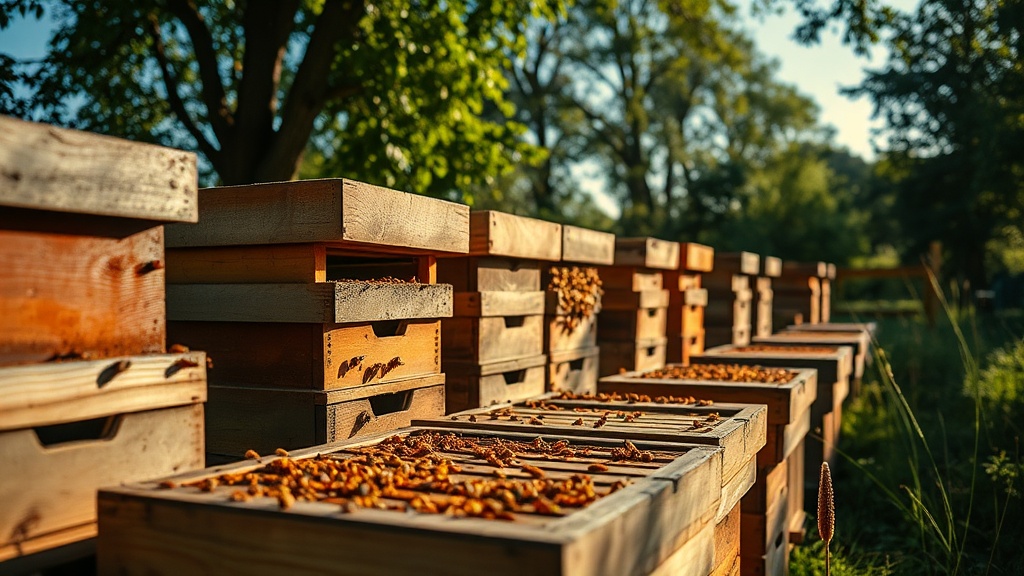
A Local Tour of the Best Hidden Backyard Apiaries

You're driving down a backroad near Wellington when you spot a small, hand-painted sign pointing toward a farm stand. You pull over, hoping for more than just generic supermarket honey, and find a jar of dark, amber liquid that smells like the very wildflowers blooming in the ditch beside you. This post is about finding those specific, high-quality backyard apiaries scattered across Prince Edward County—the ones that don't have a massive marketing budget but produce the best honey in Ontario.
We’re looking at the small-scale operations that matter. We'll cover how to identify high-quality local honey, where to find the best seasonal varieties, and how to support the local beekeepers who keep our County ecosystems thriving.
Where Can I Find Local Honey in Prince Edward County?
The best way to find local honey is to look for small-batch producers at seasonal farm stands, local farmers' markets, and specialized boutique shops throughout the County.
While you can find honey at big-box stores, the real stuff—the honey that tastes like a specific field of clover or a certain grove of apple blossoms—is usually sold in much smaller quantities. Many of our local beekeepers don't even have a storefront. They operate out of their backyards or small farm sheds. You'll often see them selling directly from the roadside or through social media groups. It's a much more personal way to shop.
If you want to find these gems, keep an eye on the seasonal shifts. When the apple blossoms hit in late spring, the honey profile changes. By mid-summer, the wildflower honey takes over. It's a moving target. If you're already out looking for fresh produce, check out my guide on where to find the best seasonal farm stands to catch these producers at their peak.
A few notable spots to keep on your radar:
- Wellington Area Farm Stands: Often host small-scale apiaries that specialize in wildflower honey.
- Picton Farmers' Market: A reliable hub for meeting the actual people behind the hives.
- Local Cremeries and Specialty Food Shops: Sometimes carry premium, ultra-filtered local honey as a high-end gift item.
One thing to watch for: many of these producers use glass jars rather than plastic. It's a sign of quality and a commitment to minimizing waste. It also helps preserve the delicate floral notes that make the honey unique.
How Can I Tell if My Honey is Real and Unprocessed?
Real, raw honey will often show signs of crystallization or slight cloudiness, whereas highly processed, clear honey is often ultra-filtered and stripped of its natural benefits.
It's easy to get fooled by the clear, liquid gold in the grocery aisle. But real, raw honey—the kind you get from a backyard apiary—is a living thing. It contains pollen, enzymes, and trace amounts of beeswax. Because of this, it behaves differently. If you leave a jar of high-quality local honey in a cool pantry, it might eventually turn solid or "grainy." This isn't a bad sign; it's actually a hallmark of unprocessed honey. In fact, if your honey never crystallizes, it's likely been heat-treated to death, which kills the very nutrients people are looking for.
Here is a quick breakdown of what to look for when comparing "grocery store" honey to "backyard apiary" honey:
| Feature | Commercial/Processed Honey | Local Backyard Apiary Honey |
|---|---|---|
| Appearance | Perfectly clear and translucent. | Can be cloudy or have visible sediment. |
| Always stays liquid for a long time. | Will eventually crystallize (turn solid). | |
| Flavor | Consistent, sweet, and one-dimensional. | Complex, with notes of flowers or clover. |
| Labeling | Often lists "Honey" with no origin. | Usually lists a specific farm or location. |
If you want to dive deeper into the science of what makes honey unique, the Wikipedia entry on honey provides a great technical overview of how different floral sources affect the final product.
Don't be afraid to ask the producer about their process. A good beekeeper will be happy to tell you if they use heat to stabilize their honey. Most small-scale producers in the County avoid high heat because it ruins the flavor profile.
What Types of Honey Should I Look For?
The type of honey you should buy depends entirely on the season and the specific floral sources available in the County during that time of year.
In Prince Edward County, we are lucky to have a diverse range of flora. This means the honey profile changes significantly throughout the year. You aren't just buying "honey"; you're buying a snapshot of the County's landscape. It's a bit like wine—the terroir matters.
- Spring Blossom Honey: This is light, delicate, and often has a citrusy or floral edge. It's perfect for tea or drizzling over yogurt.
- Summer Wildflower Honey: This is the most common type. It's robust, deeply flavorful, and can vary wildly depending on whether the bees were hitting clover, goldenrod, or basswood.
- Late Season/Autumn Honey: These tend to be darker and much heavier. They often have notes of molasses or even a slight smoky quality.
I personally love the summer wildflower varieties. They have a certain "punch" to them that you just can't find in a standard jar. It's a much more intense experience.
It's worth noting that even the color of the honey can tell you a lot. Darker honey usually indicates a more complex, mineral-rich flavor, while lighter honey is generally more subtle. If you're looking for a pairing for a cheese board—maybe a sharp cheddar or a creamy goat cheese—the darker, more robust honeys are a great choice. For a light brunch, stick to the spring varieties.
If you're planning a picnic and want to pair your honey with local treats, you might also enjoy my thoughts on picking the best local cider. The way the sweetness of the honey interacts with the acidity of a good cider is something you really need to try.
The local beekeeping community is small but incredibly dedicated. They aren't just making a product; they are maintaining a vital part of our local ecosystem. Bees are the backbone of our agriculture here, from the apple orchards to the vegetable farms. When you buy from a backyard apiary, you're supporting the pollinators that make the County so beautiful in the first place.
Keep an eye out for those hand-written signs on the side roads. They might be easy to miss if you're driving too fast, but they lead to the best jars of honey you'll ever taste.