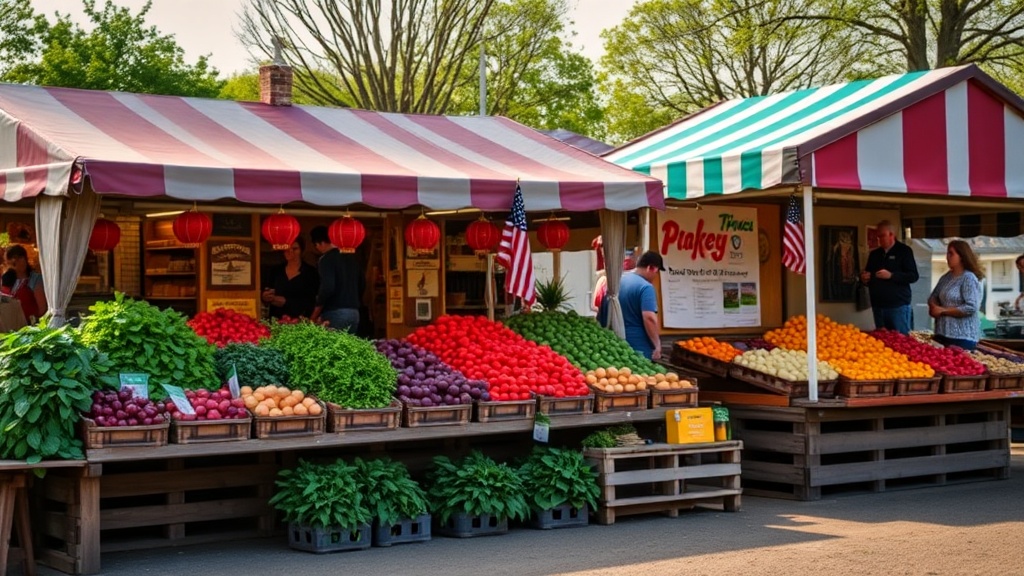
Where to Find the Best Seasonal Farm Stands

The Seasonal Rhythm of the County's Harvest
Did you know that nearly 40% of Ontario's fruit production comes from the Niagara and Prince Edward County regions? In the County, the soil isn't just dirt; it's a highly specialized resource that dictates exactly what you'll eat and when. This guide breaks down where to find the highest quality seasonal produce, which farms specialize in specific crops, and how to time your visits to avoid the crowds.
If you want to eat like a local, you have to stop thinking in terms of grocery store aisles and start thinking in terms of the calendar. A strawberry in June is a completely different experience than a strawberry in August. The same goes for heirloom tomatoes or sweet corn. If you show up at the wrong time, you'll find empty wooden crates instead of the bounty you were hoping for.
When is the best time to visit farm stands in Prince Edward County?
The peak window for farm stand shopping in Prince Edward County runs from late June through October, with the most diverse offerings occurring between mid-July and early August. This is when the heavy hitters—corn, tomatoes, and stone fruits—hit their stride. If you're looking for greens, you'll want to move earlier in the season.
Here is a general timeline of what you can expect to find on the side of the road:
| Month | Primary Produce | Local Vibe |
|---|---|---|
| June | Strawberries, Rhubarb, Spring Greens | Early season excitement; much quieter. |
| July | Cherries, Peaches, Early Raspberries | The heat kicks in; fruit is plentiful. |
| August | Sweet Corn, Heirloom Tomatoes, Peaches | Peak harvest; high demand for corn. |
| September | Apples, Pears, Pumpkins, Squash | Harvest transition; perfect for fall baking. |
| October | Hardy Squash, Apples, Root Vegetables | Late season; much more limited variety. |
One thing to remember: many stands are "honor system" or "cash only" (though many are moving toward digital). It's always a good idea to keep some small bills in your car. I've seen many a disappointed tourist realize they can't buy a basket of cherries because they only have a credit card. It's a small detail, but it saves a lot of frustration.
Where are the best places to find fresh produce?
The best places to find fresh produce are the roadside stands located along County Road 31, County Road 49, and the secondary roads winding through Wellington and South Marysburgh. While there isn't one single "official" list of stands, the most reliable ones tend to be near established farms that have been in the Ontario agricultural sector for decades.
For those who want a more curated experience, the Bloomfield and Picton areas host several highly regarded farm gates. You aren't just looking for a box of apples; you're looking for the specific flavor profiles that only grow in our unique microclimate. For instance, the sandy loam soil near the lake produces different results than the heavier clay-based soils further inland.
If you're planning a day out, you might want to pair your farm hopping with a scenic stroll. If you want to pair your fresh fruit with a drink, check out my tips on picking the best local cider. A fresh peach and a crisp cider-based drink is a classic County pairing for a reason.
Top areas to scout:
- Wellington: Best for stone fruits and berries.
- Hillier: Often features more specialized crops and high-end organic options.
- Picton/South Marysburgh: Great for hearty vegetables and seasonal staples.
Don't expect every stand to be open every day. A farmer's schedule is dictated by the weather, not a retail clock. If a heavy rainstorm hits, the stand might stay closed. If a heatwave strikes, they might sell out of watermelon by noon. It's a variable system—embrace it.
How much does seasonal produce cost compared to grocery stores?
Seasonal produce at a local farm stand usually carries a slight premium over discount grocery stores, but the quality and flavor density more than justify the price. You aren't paying for the shipping and the middleman; you're paying for the harvest. While a pint of blueberries might cost a dollar or two more here than at a big-box chain, the difference in taste is massive.
Here's the reality: you're paying for freshness. When you buy a tomato from a stand in August, it actually tastes like a tomato. When you buy one from a grocery store in January, it's a pale, watery imitation. The value isn't in the price per pound—it's in the flavor per bite.
A quick price reality check:
- Sweet Corn: Expect to pay $1.00 to $1.50 per ear or $5.00 to $7.00 for a dozen.
- Heirloom Tomatoes: These can run $4.00 to $6.00 per pound depending on the variety.
- Berries: Pints usually range from $5.00 to $9.00 depending on the fruit and the season.
Worth noting is that prices fluctuate wildly based on supply. If there's a bumper crop of peaches in July, you'll see the prices dip. If a frost hits early, expect to pay a premium for what little is left. It's a living market.
What should I look for when buying local fruit?
You should look for fruit that is firm but yields slightly to gentle pressure, and fruit that smells like it actually belongs in a garden. For example, a peach should have a subtle, sweet aroma; if it has no scent, it's likely been sitting in a shipping container for far too long. If you're buying tomatoes, look for deep color right up to the stem—avoid the ones with pale, green shoulders.
There's a certain art to picking your own produce if the farm offers "U-Pick" options. This is a great way to ensure you get exactly what you want, but it requires a bit of patience. I've seen people rush through a berry patch and end up with a basket of bruised fruit because they weren't careful. Take your time. The berries are there for the taking.
If you're heading out for a day of exploring the County, make sure you have a plan. If you're going to be out in the sun all day, you'll probably want to know about finding the quietest shorelines to enjoy your haul later. There's nothing quite like eating a fresh peach while sitting by the water.
Pro-tips for the best haul:
- Bring your own bags: While many stands provide them, having your own reusable bags or even a sturdy basket is a great habit.
- Check the "Best By" logic: If you're buying berries, buy them when they are slightly under-ripe if you aren't eating them immediately.
- Ask the farmer: They are the real experts. Ask them, "What's the best thing you have right now?" They'll usually tell you the truth.
The most important thing to remember is that these stands are seasonal businesses. They aren't permanent fixtures. They are part of the rhythm of the land. When the harvest is done, the stands disappear. That's why you have to be proactive. Don't wait until October to look for strawberries—you've missed the boat.