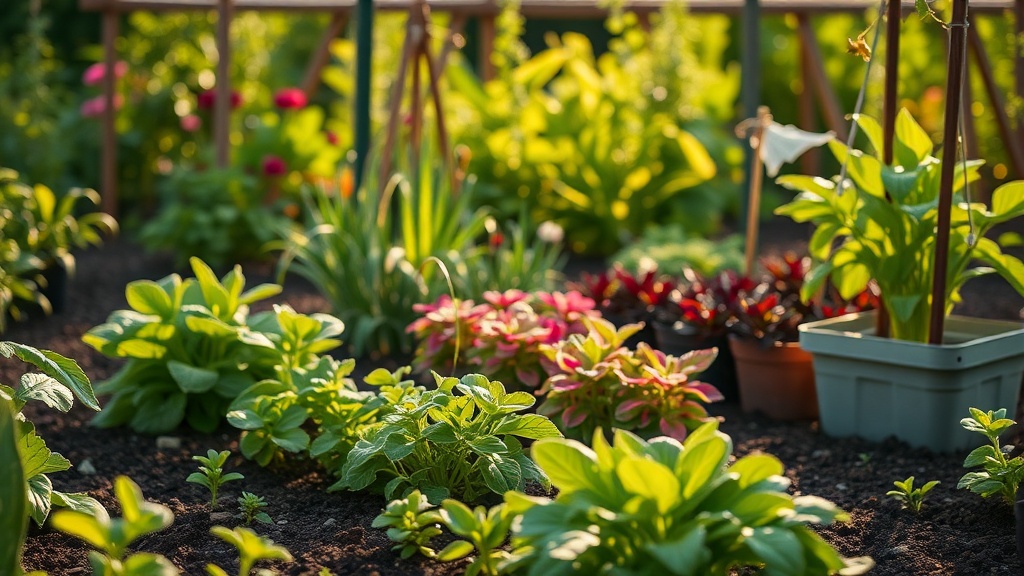
Setting Up a Productive Home Garden in Prince Edward County

Imagine waking up on a Tuesday morning in April, looking out over your backyard near Hillier or Wellington, and realizing it is finally time to get your hands in the dirt. You have the seeds, you have the soil, but the transition from a dormant winter garden to a thriving spring vegetable patch can feel overwhelming. In Prince Edward County, our growing season is defined by specific microclimates and the unique soil compositions found across the County. Whether you are working with the sandy loams near Sandbanks or the heavier clay-based soils closer to Picton, getting your garden started requires a bit more than just throwing seeds in the ground. This guide covers the practical steps for local residents to prepare their land and start growing food right here at home.
Our community knows that the weather in Prince Edward County can be unpredictable. One day we are seeing a sudden warmth that feels like summer, and the next, we are dealing with a late frost that can wipe out a budding garden. We need to be prepared for these shifts. Success starts with understanding your specific plot of land and the local conditions that define it.
How do I prepare my soil for the local growing season?
Most of us in Prince Edward County deal with varying soil types. If you live near the waterfront, you might have very sandy soil that drains too quickly; if you are further inland, you might deal with more heavy-duty clay. Before you even buy a single packet of seeds, you need to know what you are working with. I always suggest getting a soil test done. You can reach out to local agricultural experts or check the resources provided by the Ontario Ministry of Agriculture, Food and Rural Affairs to ensure your pH levels are actually suitable for the vegetables you want to grow.
A good first step is to clear out the debris from last year. If you have been keeping your garden beds through the winter, you'll likely find a lot of dead organic matter. Instead of throwing it away, use it! Compost is gold in our community. Mixing in a high-quality compost from a local supplier—like those found around the Bloomfield area—will help improve the structure of your soil regardless of whether it is too sandy or too heavy. This organic matter helps with water retention during our hot, dry July stretches and improves drainage during the wet spring months.
What are the best ways to manage garden pests locally?
Once your plants start growing, the battle begins. In Prince Edward County, we often see a surge in certain pests as soon as the temperature stays consistently above 15 degrees Celsius. From aphids to larger garden intruders, you have to be proactive. Rather than rushing to the store for heavy chemicals, many of our neighbors prefer organic and integrated pest management (IPM) techniques. This means creating a balanced ecosystem in your backyard.
Planting flowers like marigolds or nasturtiums alongside your vegetables can act as a natural deterrent. Also, keep an eye on the local wildlife. We have plenty of deer and rabbits roaming around the outskirts of Picton and Wellington, and they will find your garden just as fast as you do. Using physical barriers like bird netting or deer fencing isn't just an option; it's often a necessity if you want to actually harvest what you plant. If you need high-quality garden tools or more specific advice on local plant varieties, checking in with a local nursery is always a better bet than a big-box store.
When is the right time to plant in Prince Edward County?
This is the question I get asked most often at community gatherings. The short answer? It depends on the year. The "last frost date" is a moving target in our part of Ontario. While some years we get an early warm spell in May, other years the frost lingers well into June. If you are planning to plant tomatoes or peppers—which love the heat—you must wait until the soil is actually warm. Planting them too early in the cool, damp ground of a typical Prince Edward County spring is a recipe for stunted growth.
For our local climate, I recommend following a staggered planting schedule:
- Early Spring (Late April/Early May): Focus on hardy greens like kale, spinach, and peas. These can handle a bit of a chill.
- Mid-Spring (Late May/Early June):** This is when you can start your root vegetables like carrots and radishes.
- Late Spring (Early to Mid-June):** Hold off on the heat-lovers. Wait until the risk of a hard frost has truly passed before putting your peppers, cucumbers, and basil in the ground.
If you are a beginner, consider starting your seeds indoors under lights. This gives you a head start and allows you to control the environment while the weather outside remains temperamental. It is a much safer way to ensure your plants are strong before they face the elements of a Prince Edward County summer.
How can I save water in my backyard garden?
Watering can be a chore, especially during those much-needed summer droughts. One of the best things you can do is invest in a good mulching system. Covering your soil with straw, wood chips, or even shredded leaves helps keep moisture in the ground and prevents the sun from baking the life out of your plants. This is especially important if your property is in a high-drainage area of the County.
I also suggest setting up a rain barrel system. It is a great way to catch the water from your roof and use it for your garden, which is both sustainable and helpful for our local water conservation efforts. If you are in a more urbanized area like Picton, you might find that even a small drip irrigation setup makes a massive difference in how much time you spend tending to your beds.
Gardening in Prince Edward County is about working with the land, not against it. It takes patience, and sometimes you will lose a crop to a sudden storm or a particularly hungry pest, but that is just part of the process. The reward of eating a tomato that you grew yourself, right here in our community, is well worth the effort. For more information on local agricultural standards, you can always consult the Ontario agricultural resources to keep your garden thriving.
| Plant Type | Ideal Planting Window (PEC) | Common Local Companion |
|---|---|---|
| Leafy Greens | Late April | Radishes |
| Root Vegetables | May | Onions |
| Nightshades (Tomato/Pepper) | Mid-June | Basil |