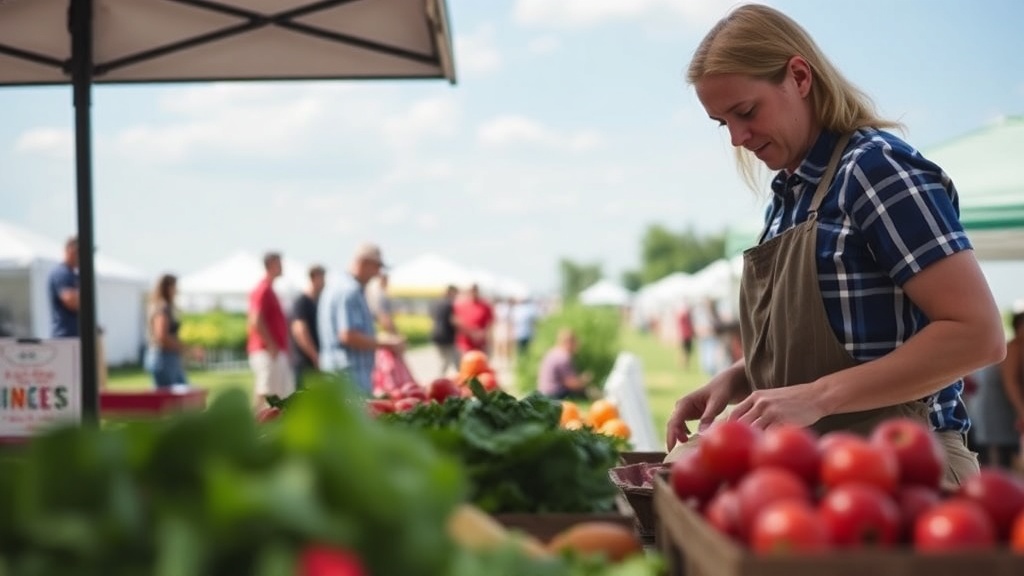
Prince Edward County Farmers Market: A Local's Guide to Weekly Fresh Finds

What This Post Covers (And Why You Should Care)
This guide maps out everything you need to know about the Prince Edward County Farmers Market — when it runs, who's selling what, and how to make the most of your weekly shop. For residents of Prince Edward County, this market isn't a tourist attraction. It's where you pick up fresh eggs on Saturday morning, grab honey from the same beekeeper who's been setting up on Main Street for fifteen years, and catch up with neighbours while you're at it. Whether you're new to the area or you've lived here your whole life, there's always something worth discovering.
When and Where Is the Prince Edward County Farmers Market?
The main market runs Saturdays from May through October at the Crystal Palace in Picton. Hours are 9 AM to 2 PM — though the serious shoppers know to arrive early. That's when the produce is freshest and the selection is widest.
There's also a smaller midweek market that pops up at various locations around Prince Edward County through the summer months. These weekday markets rotate between Wellington, Bloomfield, and Consecon, giving residents in different parts of the county a convenient option closer to home. Check the Prince Edward County Farmers Market official website for the current schedule — it changes seasonally.
The Crystal Palace location (on Main Street, right downtown) offers parking in the municipal lot behind the building. Worth noting: it fills up fast. The side streets around the Picton courthouse often have spots if you're willing to walk a block or two.
What Can You Actually Buy There?
Everything from asparagus in spring to storage crops in fall. The Prince Edward County Farmers Market features roughly thirty vendors on any given Saturday, with a mix that's heavy on produce, dairy, meat, and prepared foods.
Here's what a typical shopping trip might look like:
| Category | What You'll Find | Typical Vendors |
|---|---|---|
| Fresh Produce | Seasonal vegetables, fruits, herbs, microgreens | Multiple organic and conventional growers from around the county |
| Dairy & Eggs | Farm-fresh eggs, goat cheese, cow's milk cheese, yogurt | Small family farms with pastured animals |
| Meat & Poultry | Beef, pork, chicken, lamb, sometimes rabbit or duck | Farms offering freezer packs and single cuts |
| Baked Goods | Sourdough, pastries, cookies, pies | Home bakers and small commercial kitchens |
| Preserved Foods | Pickles, jams, ferments, hot sauce | Cottage industry producers |
| Plants & Flowers | Seedlings, cut flowers, potted herbs | Gardeners and flower farmers |
Spring means fiddleheads and rhubarb. Summer brings tomatoes that actually taste like tomatoes — the kind you can't find in grocery stores. Fall is squash, root vegetables, and the last of the apples from orchards along County Road 1.
The catch? It's seasonal. In January, your options narrow considerably. Some vendors sell through the winter at indoor locations, but the full outdoor market experience is strictly a warm-weather affair in Prince Edward County.
Which Vendors Should You Know About?
There are standbys that locals seek out week after week. Higbee's Farm (based near Carrying Place) brings exceptional sweet corn in August — get there before 10 AM or they sell out. The cheese makers from Black River Cheese Company often have samples, and their aged cheddar is worth the trip alone.
For meat, several farms offer pre-orders you pick up at the market. This is the move if you want half a pig or a quarter beef — you reserve in spring, pay a deposit, and collect your frozen cuts through the season. It requires planning (not everyone wants to think about October freezer space in May), but the per-pound cost beats retail by a significant margin.
The honey vendor near the north entrance — that's Worthy Pursuits Apiary — has been at this for years. Their wildflower honey tastes like Prince Edward County in a jar. Different from clover honey, different from buckwheat. Worth trying if you haven't had local honey before.
That said, new vendors rotate in regularly. The market board vets applications, so the quality stays consistent even as faces change. Don't be shy about asking questions — growers in Prince Edward County tend to love talking about their crops.
How Do You handle the Market Like a Local?
Bring cash. Some vendors take cards now, but cash moves faster and there's always one old-timer who operates on bills only. Reusable bags are non-negotiable — not because anyone will shame you for plastic, but because you'll need the carrying capacity. A basket of tomatoes, a dozen ears of corn, and a couple of squash get heavy fast.
Arrive before 9:30 AM for the best selection. The committed shoppers — the ones who plan meals around what looks good — they're there when the bell rings. By noon, the crowds thin out, but so does the inventory.
Here's the thing about pricing: it's not always cheaper than the grocery store. Sometimes it is, especially in peak season when zucchini is practically free. Sometimes it costs more. What you're paying for is freshness, local economic impact, and knowing exactly where your food comes from.
Talk to vendors. Ask "what's best right now?" or "how do you cook this?" They've heard every question and usually have solid advice. The woman selling shiitake mushrooms can tell you three ways to use them. The apple grower knows which variety works for pie versus sauce.
What About the Off-Season?
Prince Edward County winters are long. The outdoor market shuts down in late October, but that doesn't mean you're stuck with imported produce for six months.
Several vendors operate winter markets — indoor events, typically monthly, held at community spaces like the Wellington Community Centre or the Armoury in Picton. These are smaller, more curated affairs. Think root vegetables, frozen meat, preserved goods, and greenhouse greens.
Some farms offer CSA (Community Supported Agriculture) programs where you pay upfront for a season of weekly boxes. Others maintain farm stores open year-round. Ontario's Buy Local guide lists additional resources for sourcing food directly from Prince Edward County producers during the winter months.
Why Does the Market Matter to Prince Edward County?
It's easy to romanticize farmers markets — the pastoral imagery, the handmade signs, the whole aesthetic. But strip that away and you're left with something more practical: a distribution network that keeps money circulating within Prince Edward County instead of flowing out to distant shareholders.
When you buy a basket of peaches from a grower in Hillier, that money pays for dance lessons, car repairs, and property taxes in Prince Edward County. When you buy peaches from a supermarket chain, the economics get murkier.
The market also preserves agricultural knowledge. Many of these growers are second or third generation. They've learned what varieties work in our specific soil, our specific climate. That's not something you can download or outsource.
There's a social component too. The market functions as a weekly town square. You'll see your kid's teacher, your mechanic, your dentist — all buying carrots and catching up. In a county as spread out as ours (it takes forty minutes to drive from Athol to Wellington), having a central gathering spot matters.
Practical Tips for First-Timers
- Bring small bills. Vendors appreciate not having to break twenties for a $4 bunch of beets.
- Walk the whole market first. Prices and quality vary. Scout before you commit.
- Ask about "seconds." Bruised tomatoes or imperfect apples sell at a discount and work fine for sauce or baking.
- Check the Prince Edward County Farmers Market Facebook page for weather cancellations or special events.
- Bring a cooler bag if it's hot. Eggs and meat shouldn't sit in your car while you run other errands.
- Don't haggle. This isn't a flea market. Prices are fair and set by people doing hard work.
The Prince Edward County Farmers Market rewards regular attendance. You'll learn which vendor has the best garlic (it matters), when strawberry season actually starts (never when you think), and which baked goods sell out by 10 AM. It's not about being a "foodie" or chasing some aesthetic — it's about feeding yourself well while supporting the agricultural community that defines Prince Edward County.