How to Get Involved with Local Conservation Efforts in Prince Edward County

Last spring, a group of Prince Edward County residents gathered along the shores of Little Bluff Conservation Area, armed with garbage bags and clipboards. They were not tourists enjoying the view — they were locals participating in the annual shoreline cleanup organized by the Prince Edward County Field Naturalists. By noon, they had removed over 200 pounds of debris while documenting wildlife sightings for the county's biodiversity records. This is how conservation works here — not through grand gestures, but through steady, collective action by people who call this place home.
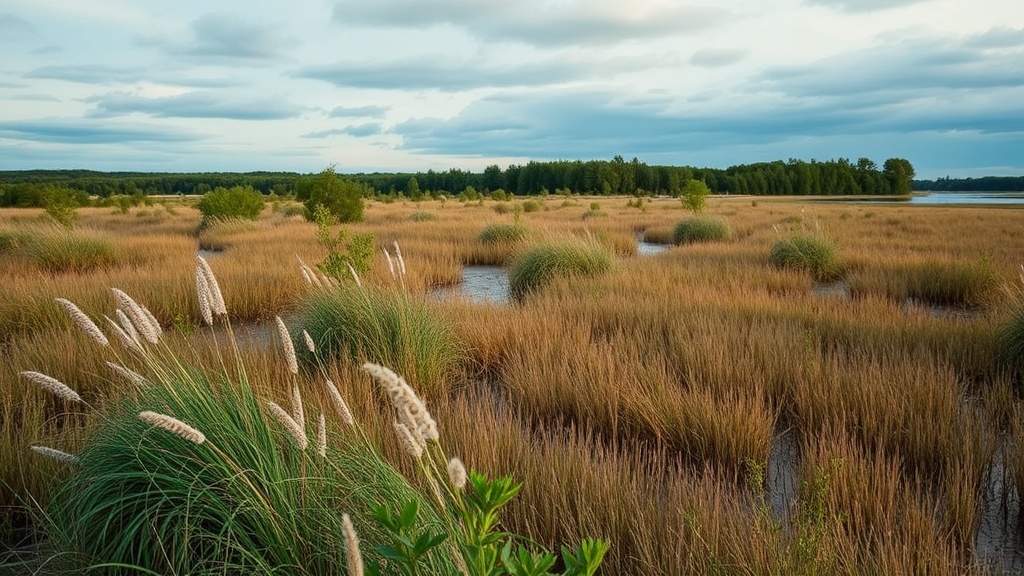
If you have ever wondered how to contribute meaningfully to protecting Prince Edward County's natural spaces, the path forward is straightforward. Our county is home to some of Ontario's most significant ecological areas — from the globally rare alvar ecosystems at the Prince Edward Point National Wildlife Area to the sensitive wetlands along the Wellington shoreline. These spaces define our community identity, support local agriculture, and provide the clean water and air we rely on daily. Getting involved does not require a biology degree or unlimited free time. It simply requires showing up and learning where your efforts fit best.
Where Do I Start with Conservation Volunteering?
The most accessible entry point for Prince Edward County residents is the network of local organizations already doing the work. The Prince Edward County Field Naturalists have been active since 1947 and welcome newcomers to their monthly meetings, bird counts, and habitat restoration projects. Membership costs roughly the price of a dinner out, and the knowledge you gain about local ecosystems pays dividends for years. They meet regularly at the Bloomfield Town Hall, and their field trips traverse everything from the woodlots near Cherry Valley to the meadows outside Milford.
For hands-on physical work, the Nature Conservancy of Canada maintains several properties within Prince Edward County and relies heavily on volunteer stewards. These roles involve removing invasive species, maintaining trails, and monitoring wildlife populations. The commitment is flexible — some volunteers dedicate a few hours monthly, while others participate in seasonal blitz events. What matters is consistency, not volume.
The County's municipal government also coordinates environmental initiatives through its Public Works and Environmental Services departments. Their tree planting programs along county roads and in public spaces regularly seek volunteer assistance, particularly during the spring and fall planting seasons. These events offer a direct way to improve the landscape you drive past daily — transforming bare stretches of County Road 1 or the lanes near Consecon into tree-lined corridors that will benefit residents decades from now.
How Can I Support Conservation from My Own Property?
You do not need to volunteer elsewhere to make an impact. Prince Edward County's landscape is a patchwork of private properties — farms, woodlots, rural residences, and shoreline cottages — and how we manage our own land collectively shapes the region's ecological health. The Ontario Soil and Crop Improvement Association offers cost-sharing programs for landowners interested in creating buffer strips, restoring wetlands, or planting native species. These programs are underutilized in our area, despite Prince Edward County's significant agricultural footprint.
Start by assessing what you already have. If your property includes a shoreline on Lake Ontario or one of the county's interior lakes, maintaining a naturalized buffer zone — even 15 feet of unmown vegetation — filters runoff and provides critical habitat. The Quinte Conservation Authority provides free technical advice for shoreline owners, including plant recommendations suited to Prince Edward County's specific soil and climate conditions. Their staff understand the local context — the limestone bedrock, the seasonal water fluctuations, the species that actually thrive here rather than generic suggestions.
For rural property owners with larger tracts, consider the Managed Forest Tax Incentive Program. This provincial initiative reduces property taxes for landowners who commit to sustainable forest management practices. A registered professional forester will help you develop a management plan tailored to your woodlot's conditions — whether you have mature maple-beech forest near Hillier or cedar swamp closer to Carrying Place. The program keeps land in forest cover, maintains wildlife corridors across the county, and reduces your tax burden. It is practical conservation that respects property rights while serving broader ecological goals.
What About Water Quality and Watershed Health?
Prince Edward County is surrounded by water — Lake Ontario on three sides, the Bay of Quinte to the west, and numerous interior lakes and streams. This geography makes us particularly vulnerable to water quality issues, but it also means our individual actions have outsized impacts. The Quinte Conservation Authority monitors water quality throughout the region and coordinates volunteer programs for residents who want direct involvement.
Their stream monitoring program trains volunteers to collect water samples, measure flow rates, and identify benthic invertebrates — the small aquatic insects that indicate stream health. Data collected by Prince Edward County volunteers feeds into provincial databases and directly influences local planning decisions. When the conservation authority identifies deteriorating water quality in a specific sub-watershed, they can target agricultural cost-sharing programs, stormwater improvements, or restoration projects to address the problem.
For shoreline property owners, the Healthy Waterfronts Program offers site visits and customized recommendations. A conservation technician will walk your property with you, identifying erosion risks, invasive species, and opportunities for naturalization. Many Prince Edward County residents are surprised to learn that their well-manicured lawns extend right to the water's edge — a practice that contributes to algae blooms and degrades fish habitat. Simple changes — planting native shrubs, reducing fertilizer use, or installing a rain garden — make measurable differences in water quality.
How Do I Connect with Other Residents Who Care?
Conservation work can feel isolating if you are tackling it alone. Fortunately, Prince Edward County has a strong culture of community organizing around environmental issues. The Sustainability Group based in the county brings together residents working on climate adaptation, local food systems, and ecosystem protection. Their monthly gatherings rotate between locations — sometimes at the Picton Library, other times at community halls in Wellington or Bloomfield — and always include time for networking and knowledge sharing.
Social media groups specific to Prince Edward County also serve as informal coordination hubs. The "Prince Edward County Nature and Wildlife" Facebook group, for instance, has thousands of local members sharing sightings, identifying species, and alerting others to environmental concerns. When an invasive plant appears in a new area or a rare bird stops during migration, word spreads quickly through these networks. These connections matter — they transform individual observation into collective awareness and response.
For those who prefer structured learning, the county's public library system hosts regular environmental programming. The Picton Branch, in particular, partners with local conservation organizations to offer workshops on native gardening, composting, and wildlife-friendly landscaping. These sessions are free, open to all residents, and provide practical skills you can apply immediately. The library also maintains an excellent collection of field guides and local natural history books specific to the Prince Edward County region — resources that help you understand the particular ecology of where you live.
Ultimately, conservation in Prince Edward County succeeds because residents treat it as a normal part of civic life — not a special interest or occasional hobby. Whether you are removing garlic mustard from a roadside verge, documenting bird migrations at the Prince Edward Point bird observatory, or simply letting a corner of your yard grow wild for pollinators, you are participating in the ongoing work of maintaining what makes this place worth living in. The county's natural heritage is not a backdrop for our lives here — it is the foundation. Protecting it is how we ensure Prince Edward County remains the kind of community we want to pass on.